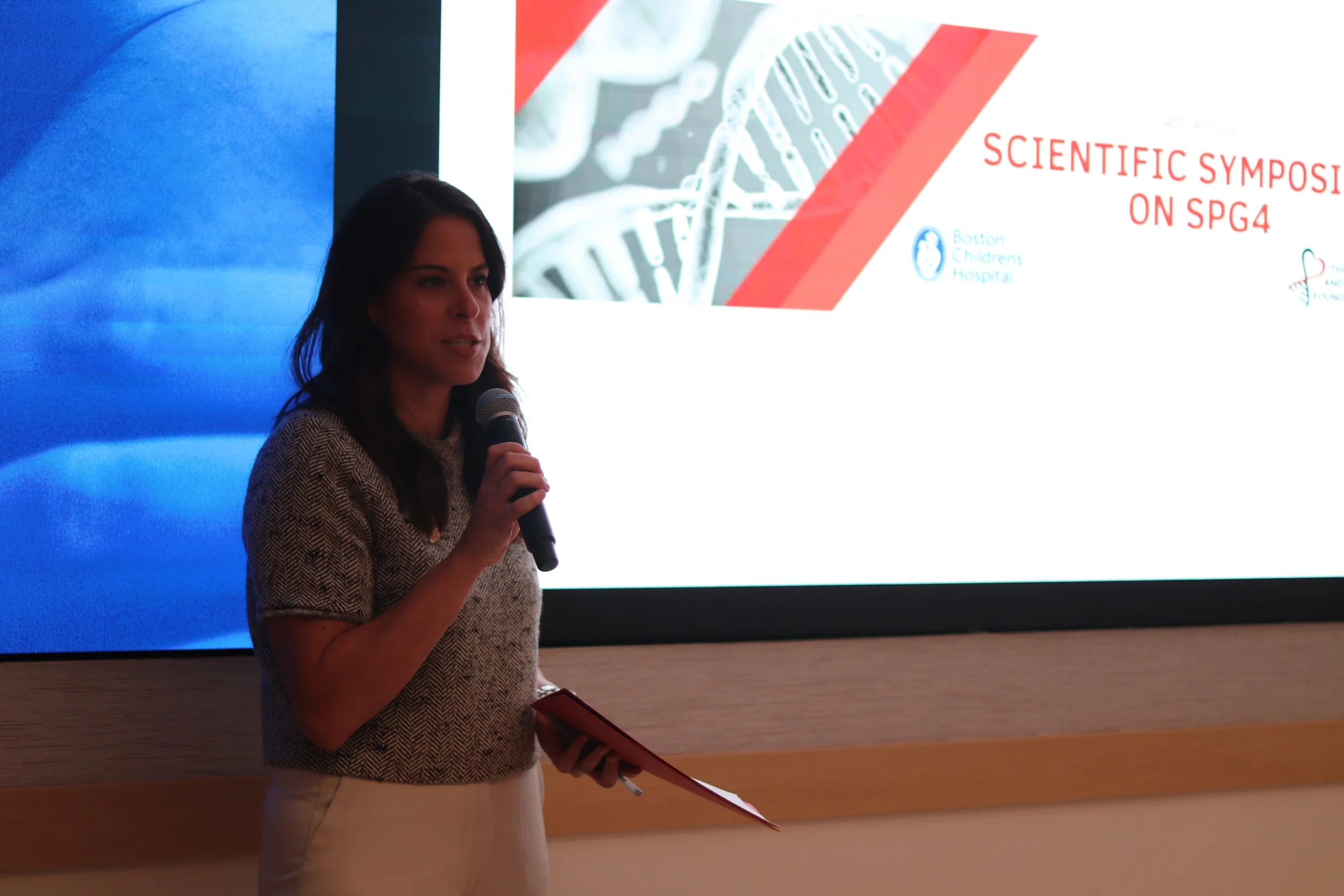
4th ANNUAL SCIENTIFIC
SYMPOSIUM ON SPG4

Wednesday, March 25-Friday, March 27
Boston, MA or Virtual
Co-hosted by The Lilly and Blair Foundation and Boston Children’s Hospital


In-person registration is now closed. Virtual registration remains open through Monday, March 23.

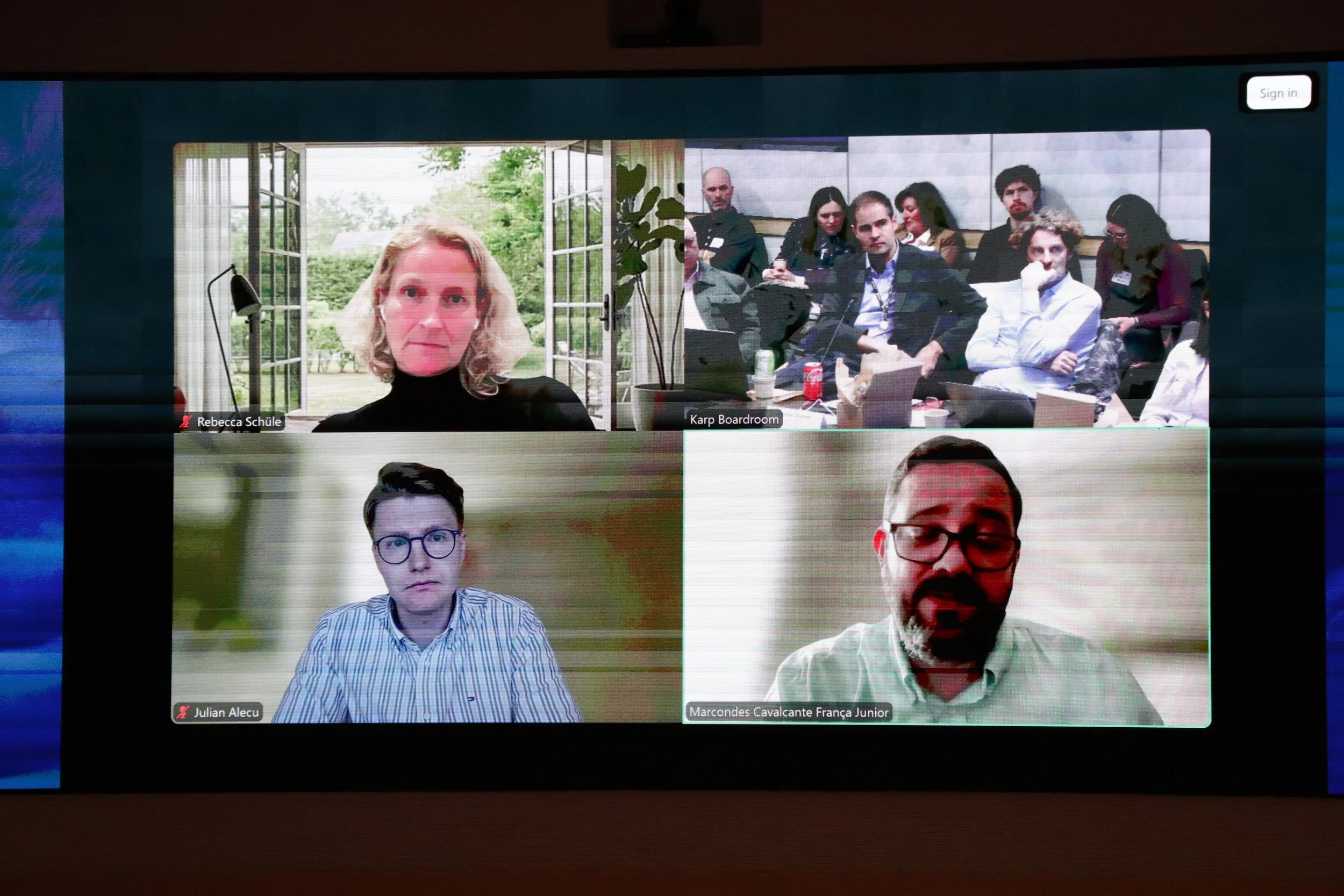
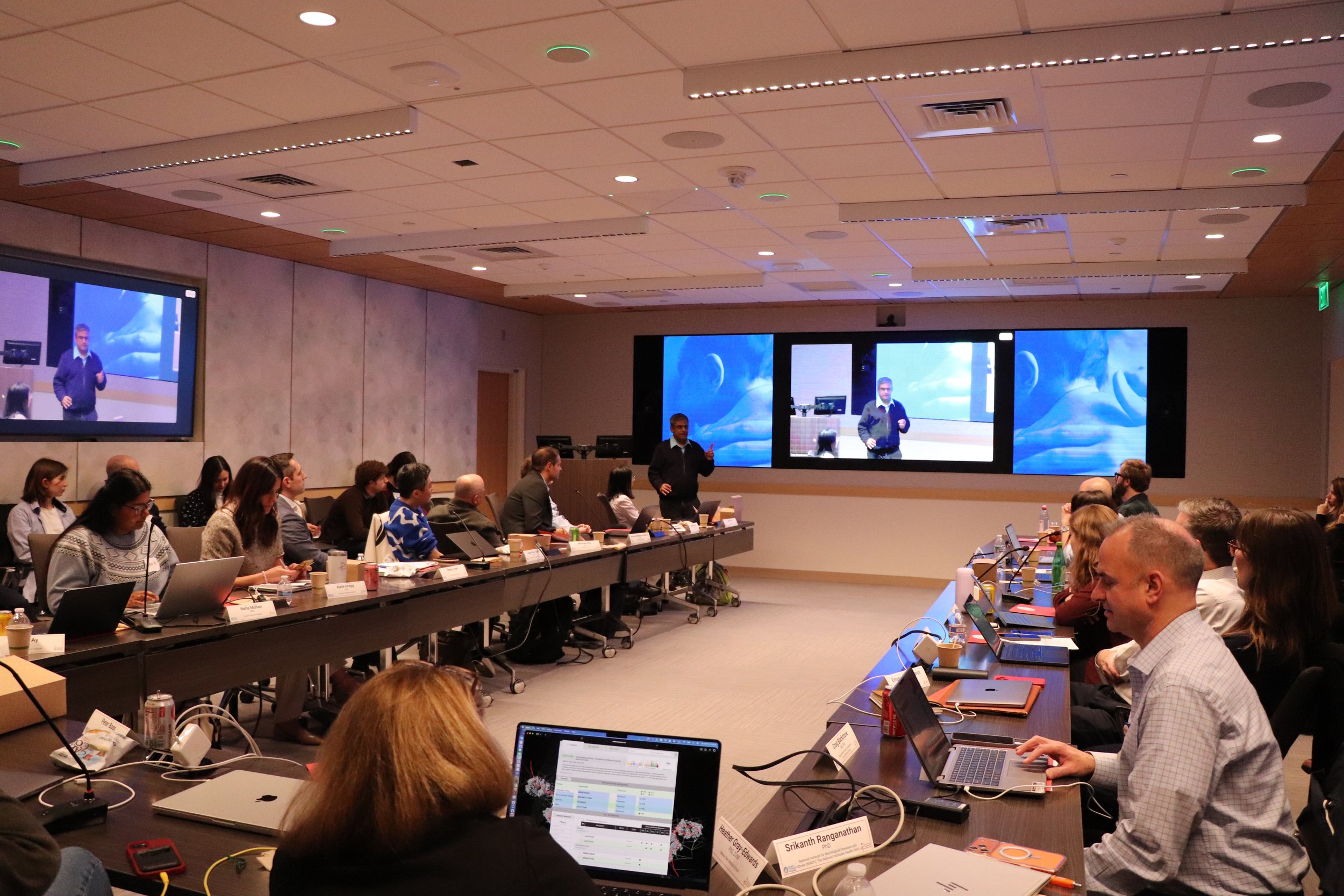
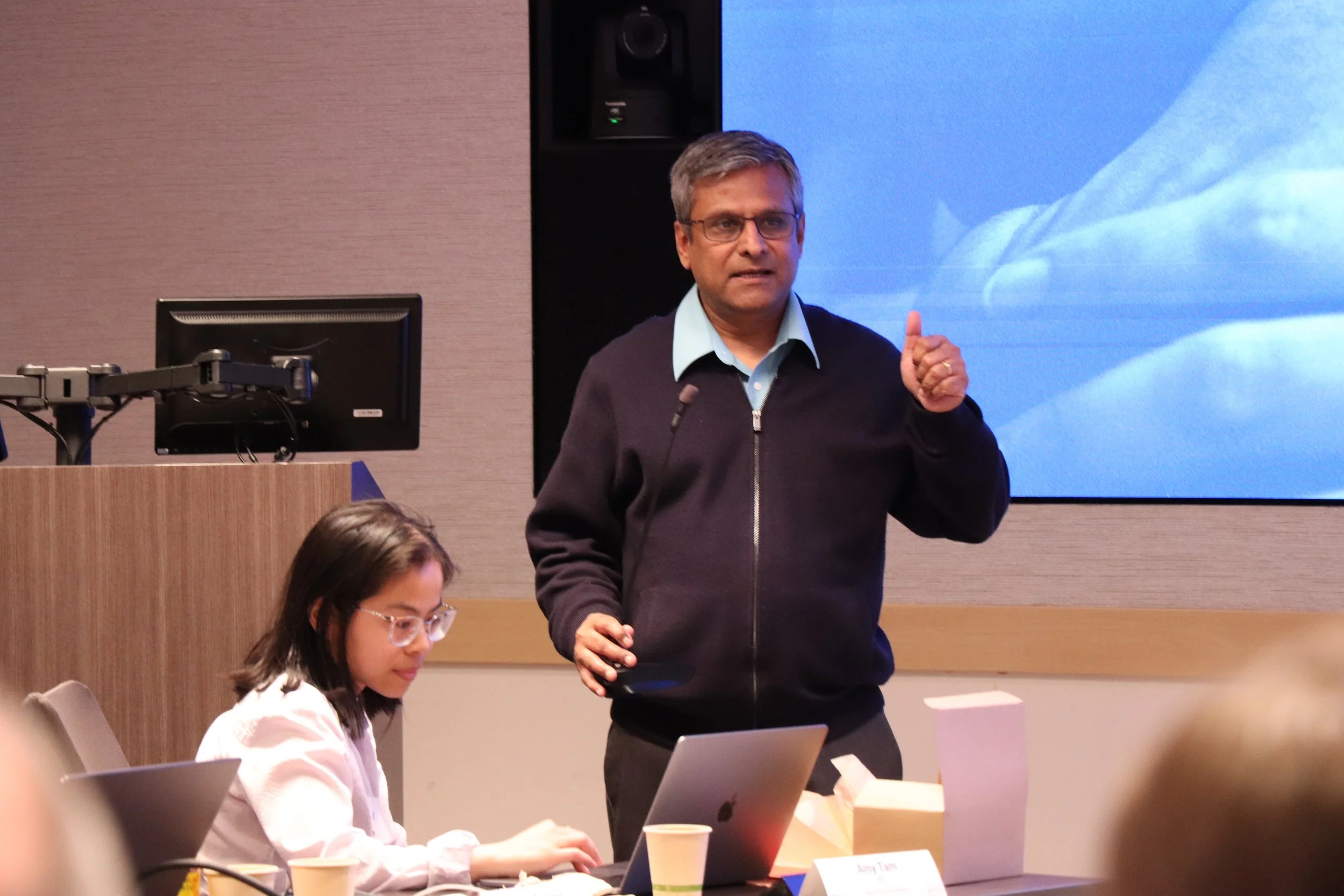
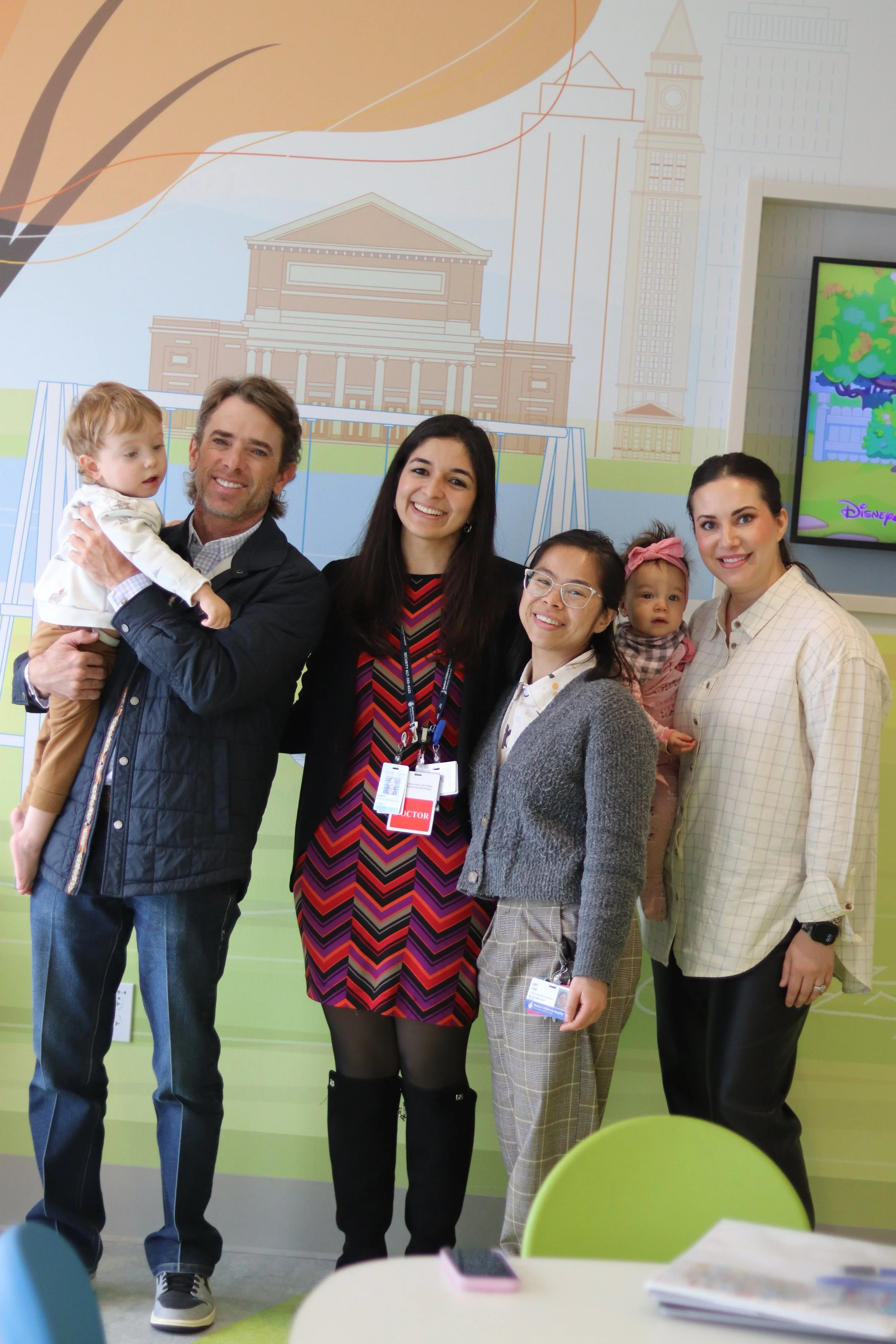
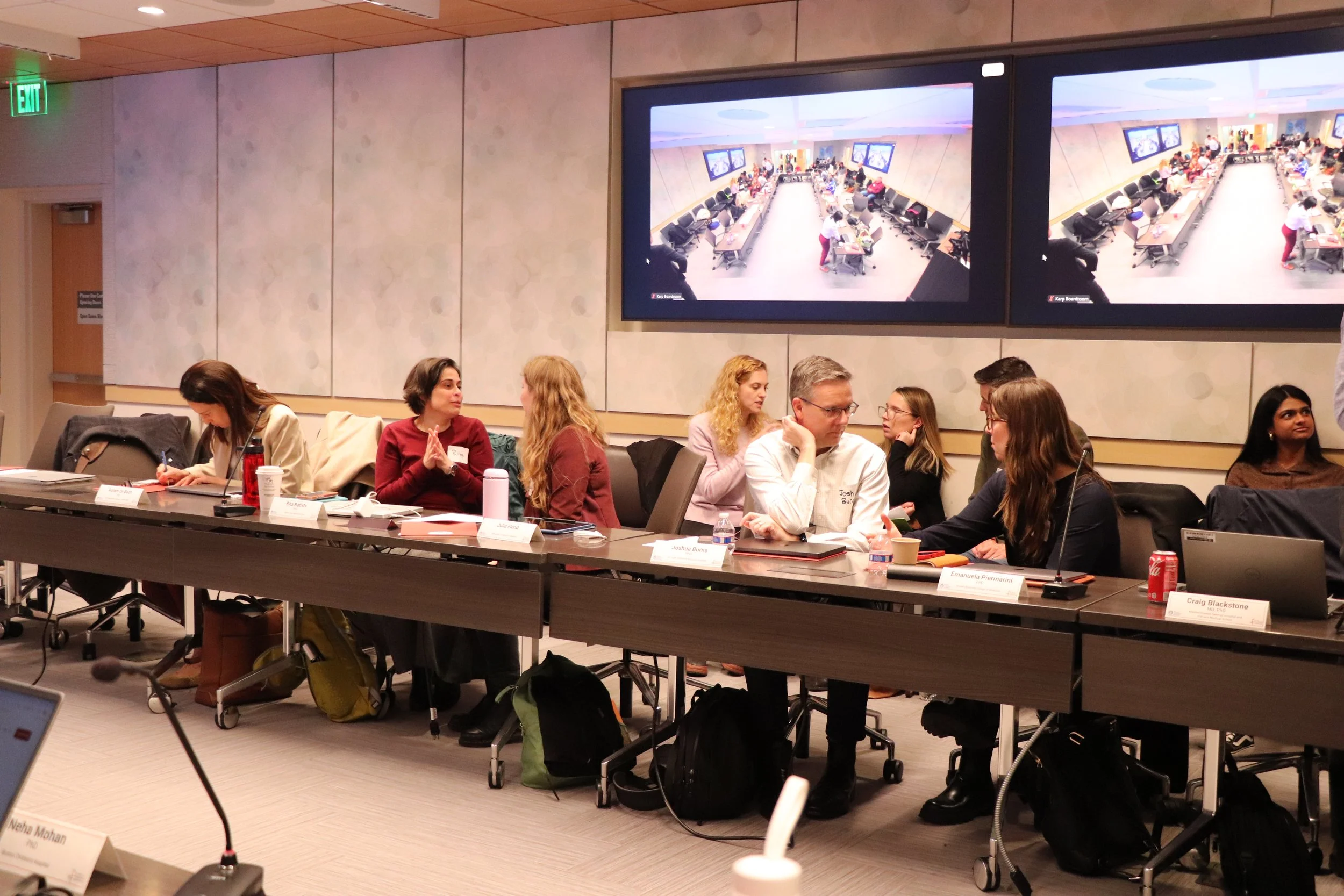
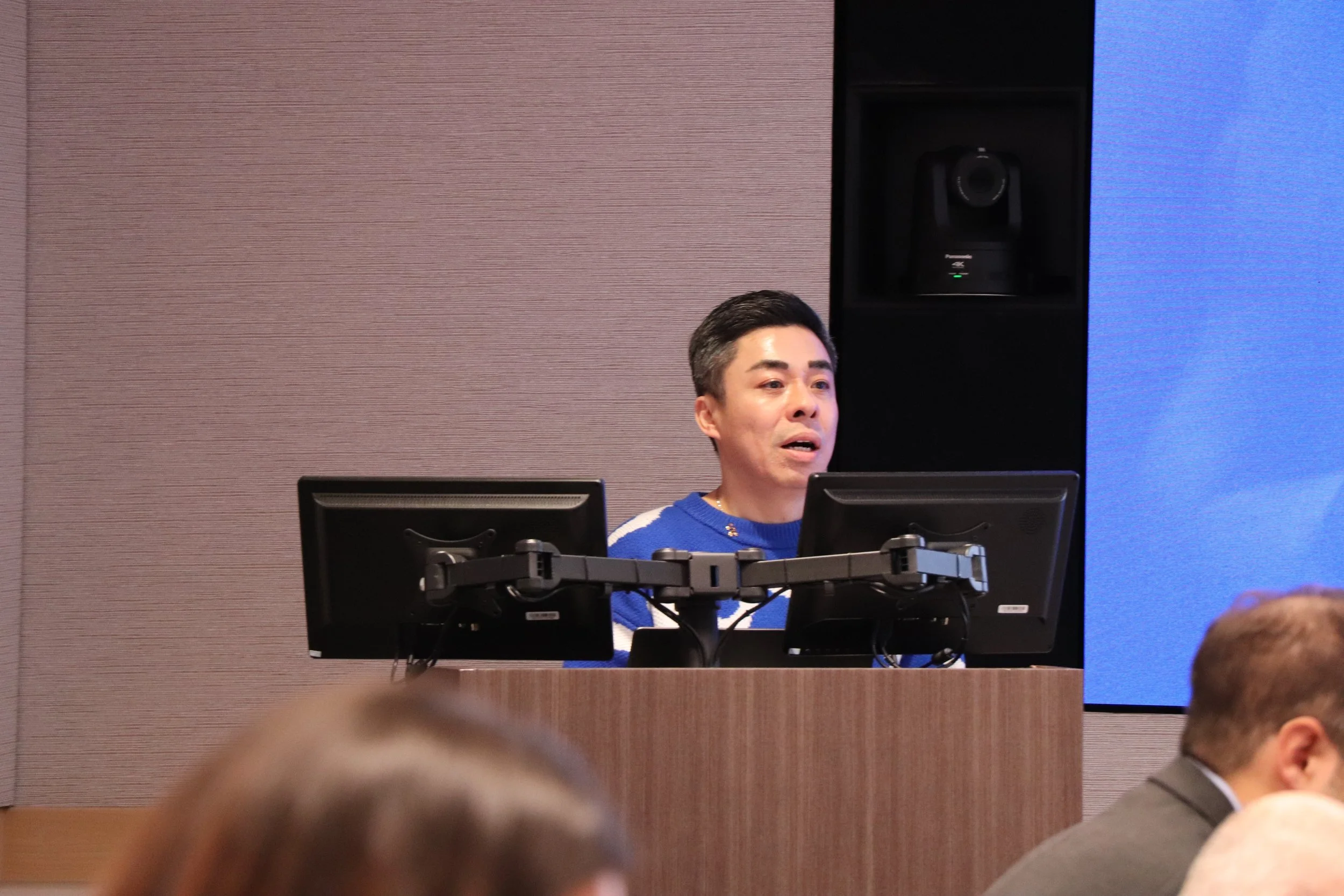
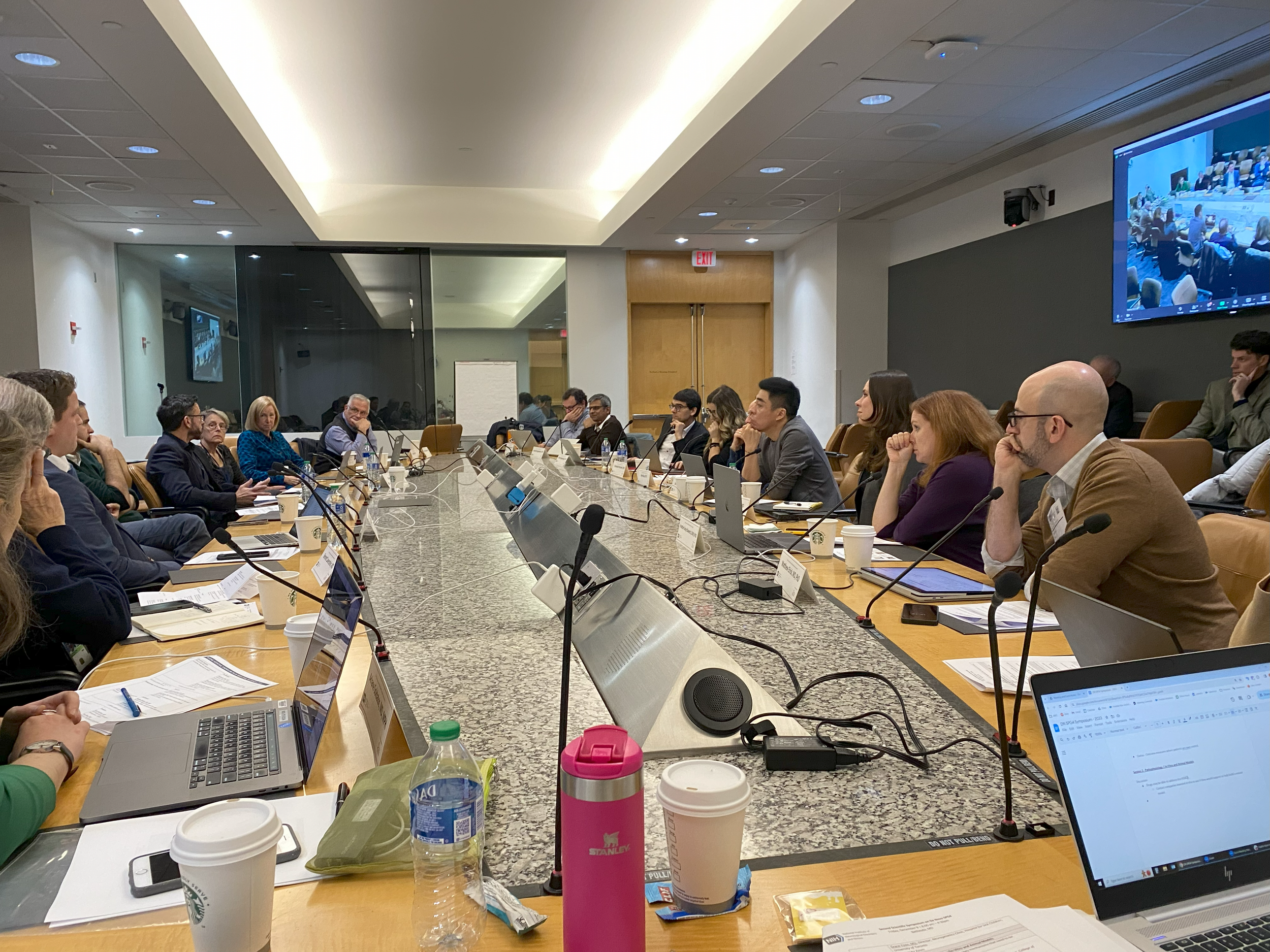
The premier gathering for childhood-onset SPG4 research returns in 2026 — uniting leading scientists, clinicians, industry innovators, patient advocates, and families for three days of focused collaboration. Designed to accelerate the path from discovery to treatment, the symposium will feature experts from across the U.S. and abroad, offering a rare opportunity to share knowledge, align priorities, and drive progress.

The centerpiece of the event, the Scientific Symposium will take place on Thursday, March 26, bringing researchers together to share the latest advances in gene therapy, drug repurposing, model validation, and near-term therapeutic targets. These discussions will be bookended by SP-CERN clinical assessments and intakes on Wednesday and Friday, significantly expanded from last year to allow for broader participation and more in-depth evaluations.

We also plan to create opportunities for families to connect through informal networking, happy hours, or group activities — making this not only a scientific milestone but a community-building event. Scroll down for more details about this year’s event, view last year’s symposium summary, or learn more about the SP-CERN.

Registration Options

  • In-Person Registration: CLOSED

    Your in-person registration fee covers your entire family attending in person under one order. Registration includes full access to all sessions, networking opportunities with researchers and families, and on-site materials.

    In-person registration is open to all individuals wishing to attend the Symposium in Boston. This includes families of patients with childhood-onset SPG4 who are interested in SP-CERN assessment and enrollment, as well as anyone affiliated with SPG4 who would like to learn more.

    Registration fees help cover essential event costs such as room rentals, audio/visual support, and materials needed to bring this important gathering to life.

  • Virtual Registration: CLOSED

    Your $25 registration includes live-stream access to all sessions, digital conference materials, and the chance to submit questions during Q&A sessions with researchers and speakers.

    Registration fees help cover essential event costs, including room rentals, audio/visual support, and the technology that makes virtual participation possible.

Sponsorship

View sponsorship benefits and confirm your support below or download the pdf for details. In addition to the sponsorship-specific benefits listed, all sponsors receive:

  • Logo or name on the Symposium webpage

  • Listing in pre-event communications and digital agenda

  • Inclusion in the digital program and session descriptions

  • Acknowledgment on opening and closing slides

  • Recognition in the post-Symposium summary

  • Premier visibility as the lead supporter of the 2026 SPG4 Scientific Symposium.

    • Exclusive top-tier logo placement across all Symposium materials

    • Recognition in opening remarks

    • Optional 30–45 second recorded message during a plenary transition

    • Featured placement in the post-Symposium summary

    • Option to include a one-page PDF (“About Our Organization”) in attendee materials

    • Ability to provide branded items/literature in attendee bags

    • Top placement in the sponsor one-pager (quote, logo, statement, link)

    • Logo displayed before one major scientific session

    • Recognition in opening remarks of one Family Day session

    • Ability to provide branded materials for attendee bags

    • Prominent placement in the sponsor one-pager (logo, statement, link)

    • Ability to place company literature in attendee folders

    • Prominent placement in the sponsor one-pager (logo + link)

  • Logo included in the sponsor one-pager (logo + link)

  • Community Sponsors receive all standard sponsor recognition listed above

For organizations seeking broader, year-long impact and visibility, The Lilly and Blair Foundation also offers Corporate Partnership opportunities across all signature platforms. Learn more at lillyandblair.org/partnership.

Agenda at a Glance

This year’s symposium will focus on childhood-onset SPG4 and includes opportunities for families, researchers, and clinicians to connect. The full agenda is still in development. Stay tuned for updates and additional speaker announcements.
Download the draft agenda here.

Wednesday, March 25 | Assessment and Family Day

Assessments: 2 Brookline Place, Brookline, MA 02445  ·  Family Day: 700 Brookline Avenue, Terrace Room, Brookline, MA 02446
1:15 pm
Lunch Available (enjoy during welcome remarks)
1:30–1:45 pm
Welcome and Orientation
An introduction to the 2026 Symposium: why this gathering matters, how families contribute to advancing SPG4 research, and what to expect across the next three days.
Darius Ebrahimi-Fakhari, MD, PhD — Boston Children’s Hospital and Harvard Medical School
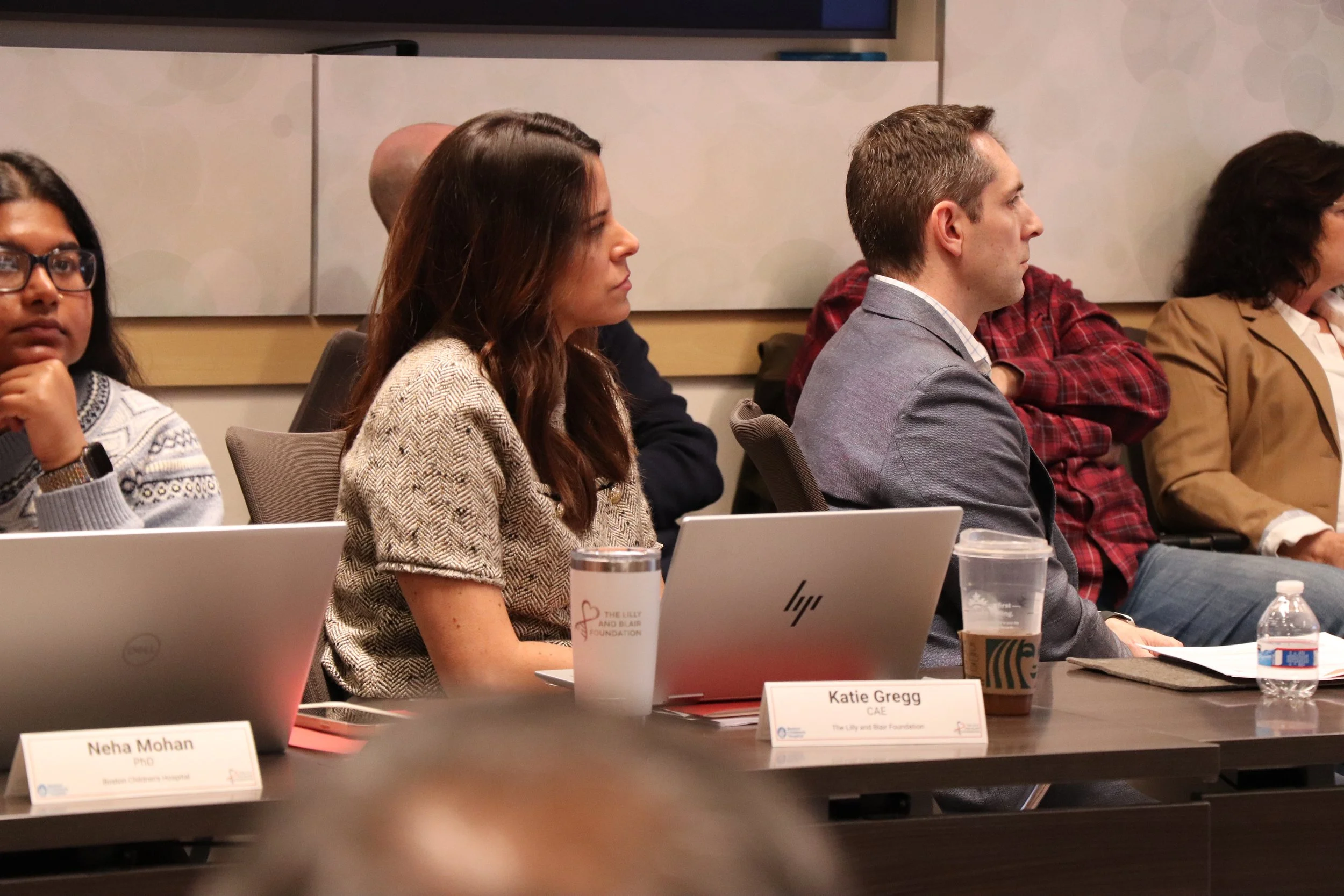
Katie Gregg — The Lilly and Blair Foundation
Chris Lorek — The Lilly and Blair Foundation
1:45–2:45 pm
Research 101: Therapies and Models That Drive Progress
A family-friendly primer on today’s leading therapeutic approaches — from replacing faulty genes, to re-purposing existing drugs, to testing new molecular strategies. Experts will also explain how mouse models are built and why they’re essential for studying SPG4 and advancing treatments toward clinical trials. Each expert will break down the science in accessible terms and highlight why their field matters for SPG4.
Miguel Sena-Esteves, PhD — UMass Chan Medical School
Heather Gray Edwards, PhD, DVM — UMass Chan Medical School
Peter Baas, PhD — Drexel University College of Medicine
Liang Oscar Qiang, MD, PhD — Drexel University College of Medicine
2:45–3:00 pm Break
3:00–3:30 pm
Understanding the Research Pipeline
How do discoveries move from the lab into preclinical models, then into clinical trials, and finally into approved therapies? This session walks families through the pipeline, demystifying key terms and processes they will hear during Thursday’s scientific sessions.
Darius Ebrahimi-Fakhari, MD, PhD — Boston Children’s Hospital and Harvard Medical School
Rotem Or Bach, MD — The National Institutes of Health (NIH)
3:30–4:30 pm
Clinical Trials Demystified
What does it mean to participate in a clinical trial? Learn how safety is ensured, how outcomes are measured, and what timelines typically look like — with practical insights from experts who lead rare neurogenetic trials.
Steven Gray, PhD — UT Southwestern Medical Center*
Michael Shy, MD — University of Iowa
5:30–8:00 pm
Networking Evening: Punch Bowl
Join families, researchers, and fellow attendees at Punch Bowl for an informal networking evening designed to continue symposium conversations and connect in a relaxed, welcoming setting.
Punch Bowl (in the Hilton Garden Inn Brookline Hotel)
700 Brookline Ave, Brookline, MA 02446

Thursday, March 26 | Scientific Symposium Day

Venue: Karp Family Research Laboratories, Karp Boardroom, 1 Blackfan Street, Boston, MA 02115
9:15–9:45 am Registration
9:45–10:00 am
Welcome and Overview
The symposium will open with a framing session to set expectations, outline objectives, and preview the program. This introduction will establish a shared understanding of the meeting’s scope and priorities, creating the foundation for productive scientific exchange and cross-disciplinary collaboration.
Darius Ebrahimi-Fakhari, MD, PhD — Boston Children’s Hospital and Harvard Medical School
Katie Gregg — The Lilly and Blair Foundation
Chris Lorek — The Lilly and Blair Foundation
Session 1: Accelerate Pre-Clinical Progress for Gene-Replacement Therapy
This session will showcase the latest data driving SPAST gene-replacement strategies forward. Presenters will highlight innovations in vector design and functional testing, with discussion centered on defining the next experimental milestones and regulatory endpoints required to advance toward pre-IND readiness.
10:00–10:20 am
Next Generation Dual-Function AAV Vectors for SPAST Silencing and Replacement
Miguel Sena-Esteves, PhD — UMass Chan Medical School
10:20–10:40 am
Preclinical Evaluation of SPAST Gene Replacement in Novel SPG4 Mouse Models
Emanuela Piermarini, PhD — Drexel University College of Medicine
10:40–11:00 am
Refining the Path to Treatment: AAV-Mediated SPAST Gene Delivery in the SPG4 Rat Model
Molly Lettman, PhD — University of Wisconsin–Madison*
11:00–11:20 am
Defining Pre-IND Pathways for SPAST Gene Therapy: Regulatory and Manufacturing Perspectives
Heather Gray-Edwards, PhD, DVM — UMass Chan Medical School
11:20–11:40 am
Questions and Comments
Moderators:
Stefan Hauser, PhD — German Center for Neurodegenerative Diseases (DZNE)*
Steven Gray, PhD — UT Southwestern Medical Center*
11:40–11:55 am Coffee Break
Session 2: Validate Models and Integrate Insights
Robust preclinical development requires convergence across model systems. This session will integrate findings from humanized mouse models, patient-derived organoids, and in vivo studies, with an emphasis on cross-model validation and translational alignment. The goal is to interrogate mechanistic consistencies and reconcile discrepancies to strengthen the evidentiary base for therapeutic development.
11:55 am–12:15 pm
Probing Disease Mechanisms: Contributions of Isoforms and Catalytic Domain Mutations
Julia Flood — University of Wisconsin–Madison
12:15–12:35 pm
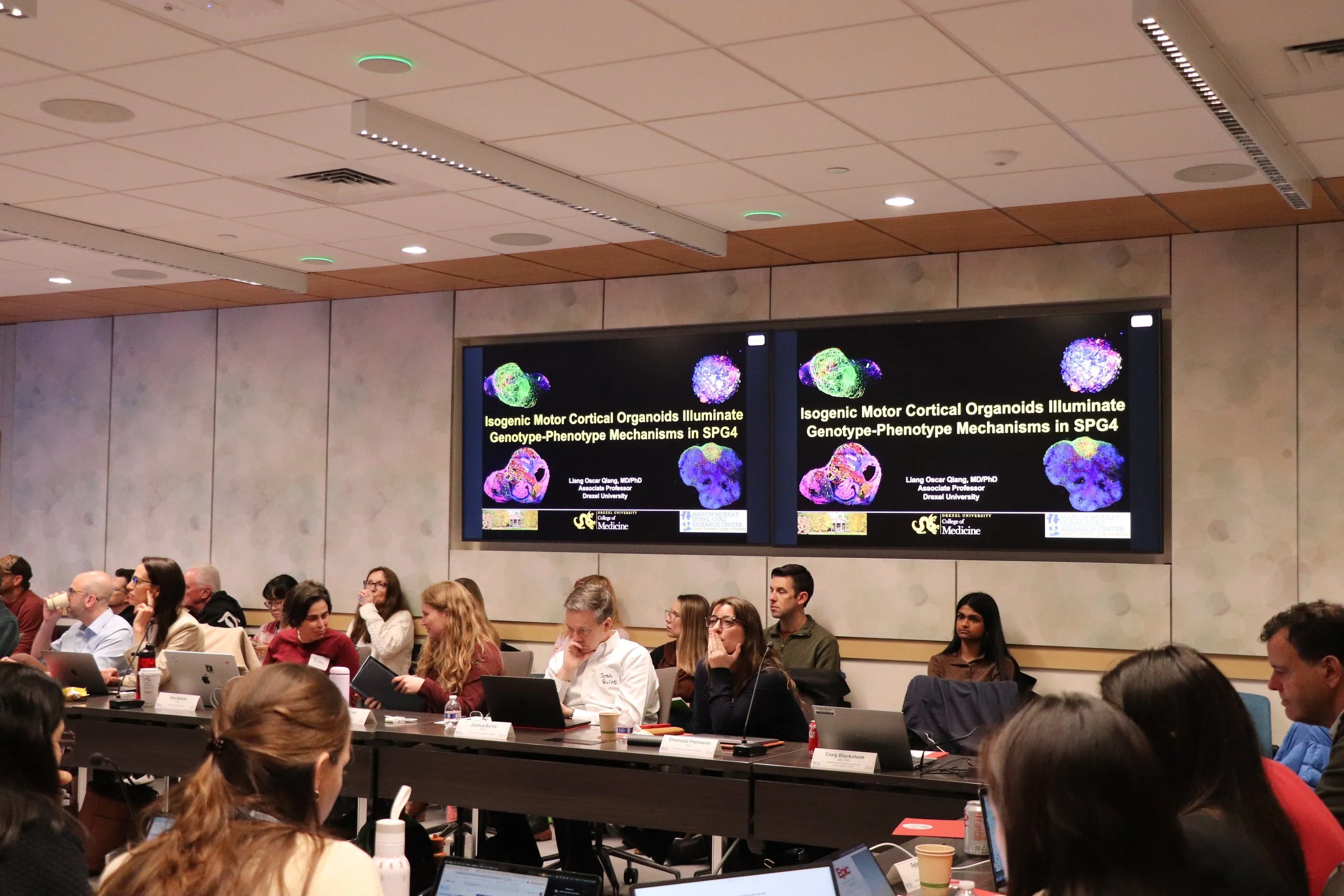
Isogenic Forebrain Organoids Illuminate Genotype-Phenotype Mechanisms in SPG4
Liang Oscar Qiang, MD, PhD — Drexel University College of Medicine
12:35–12:55 pm
Preclinical Mouse Model Development for the SPG4 p.Arg499His Variant
Peter Baas, PhD — Drexel University College of Medicine
12:55–1:15 pm
Questions and Comments
Moderators:
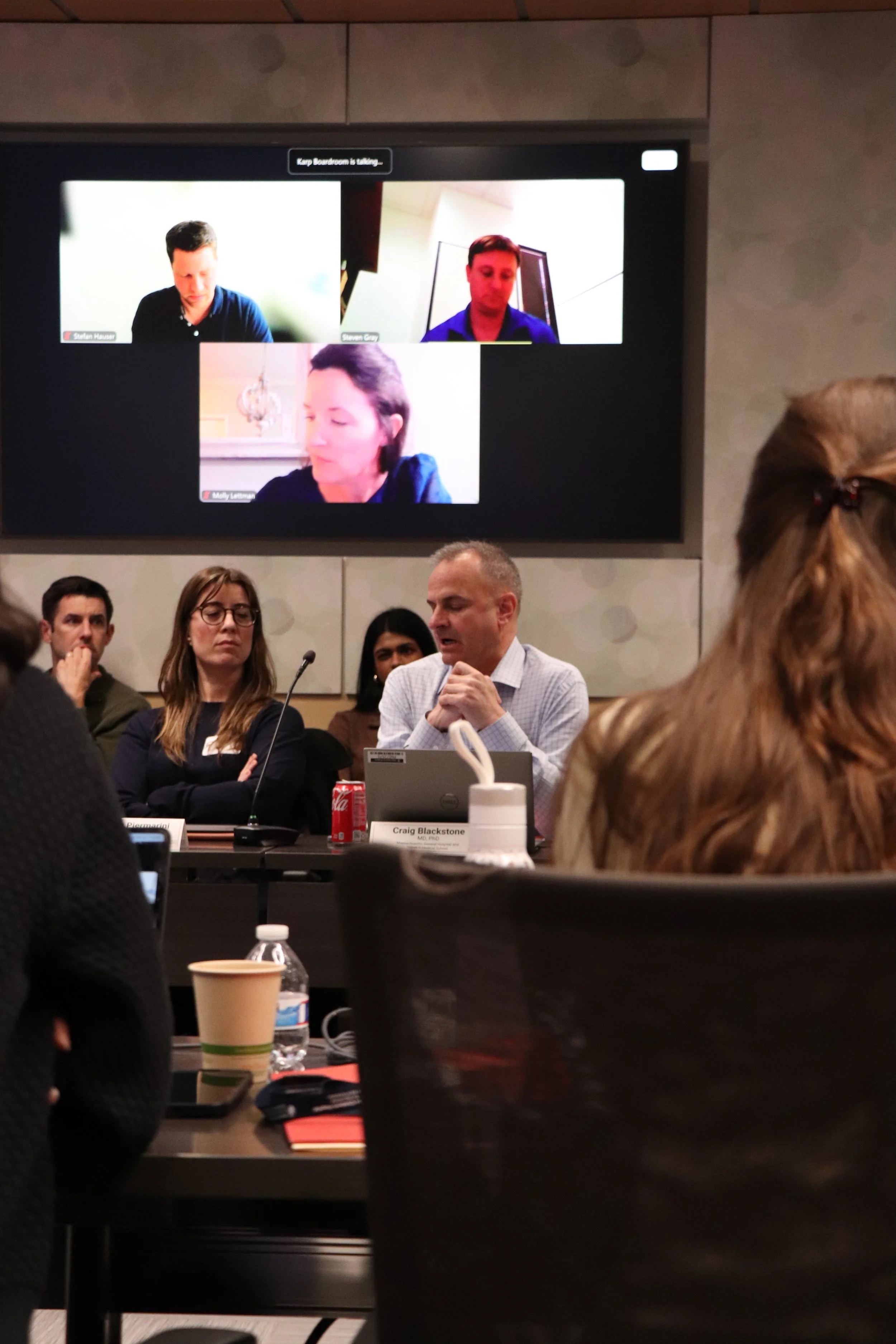
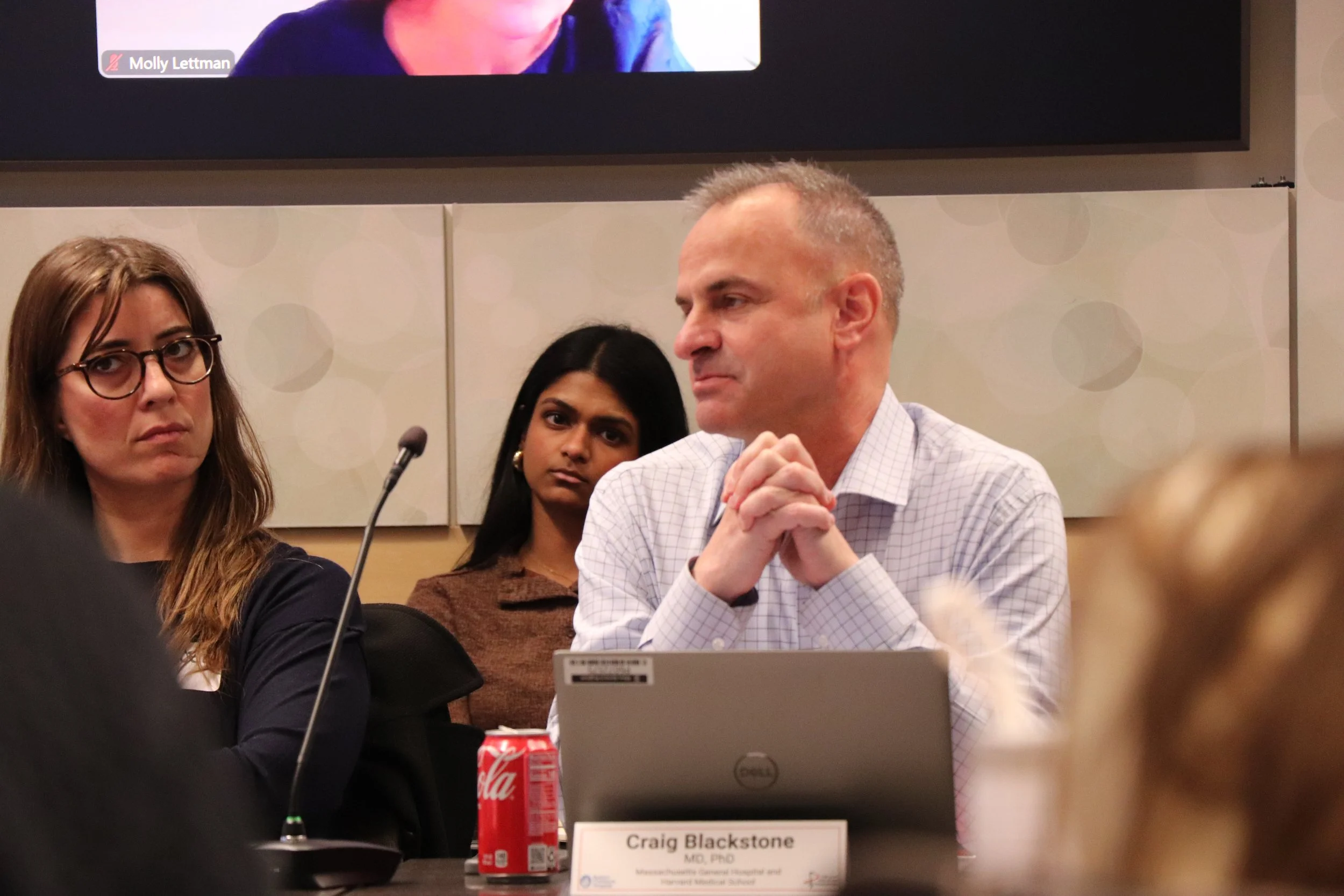
Craig Blackstone, MD, PhD — Massachusetts General Hospital and Harvard Medical School
Stephan Zuchner, MD, PhD — University of Miami
1:15–2:00 pm Lunch Break
Session 3: Accelerate Clinical Trial Readiness
With natural history data and early clinical observations accumulating, this session will examine the progress toward trial readiness in SPG4. Talks will address genotype–phenotype correlations, outcome measure refinement, and multi-center collaborations, setting the stage for consensus on design elements critical for first-in-human studies.
2:00–2:20 pm
Clinical and Molecular Genotype-Phenotype Correlations in Childhood-Onset SPG4
Julian Alecu, MD — Boston Children’s Hospital and Harvard Medical School & University Hospital Tuebingen, German Center for Neurodegenerative Diseases and Hertie-Institute for Clinical Brain Research*
2:20–2:40 pm
SP-CERN Multi-Center Natural History, Registry and Biorepository Efforts
Darius Ebrahimi-Fakhari, MD, PhD — Boston Children’s Hospital and Harvard Medical School
Stephan Zuchner, MD, PhD — University of Miami
Joshua Burns, PhD — St. Jude Children’s Research Hospital
Michael Shy, MD — University of Iowa
2:40–3:10 pm
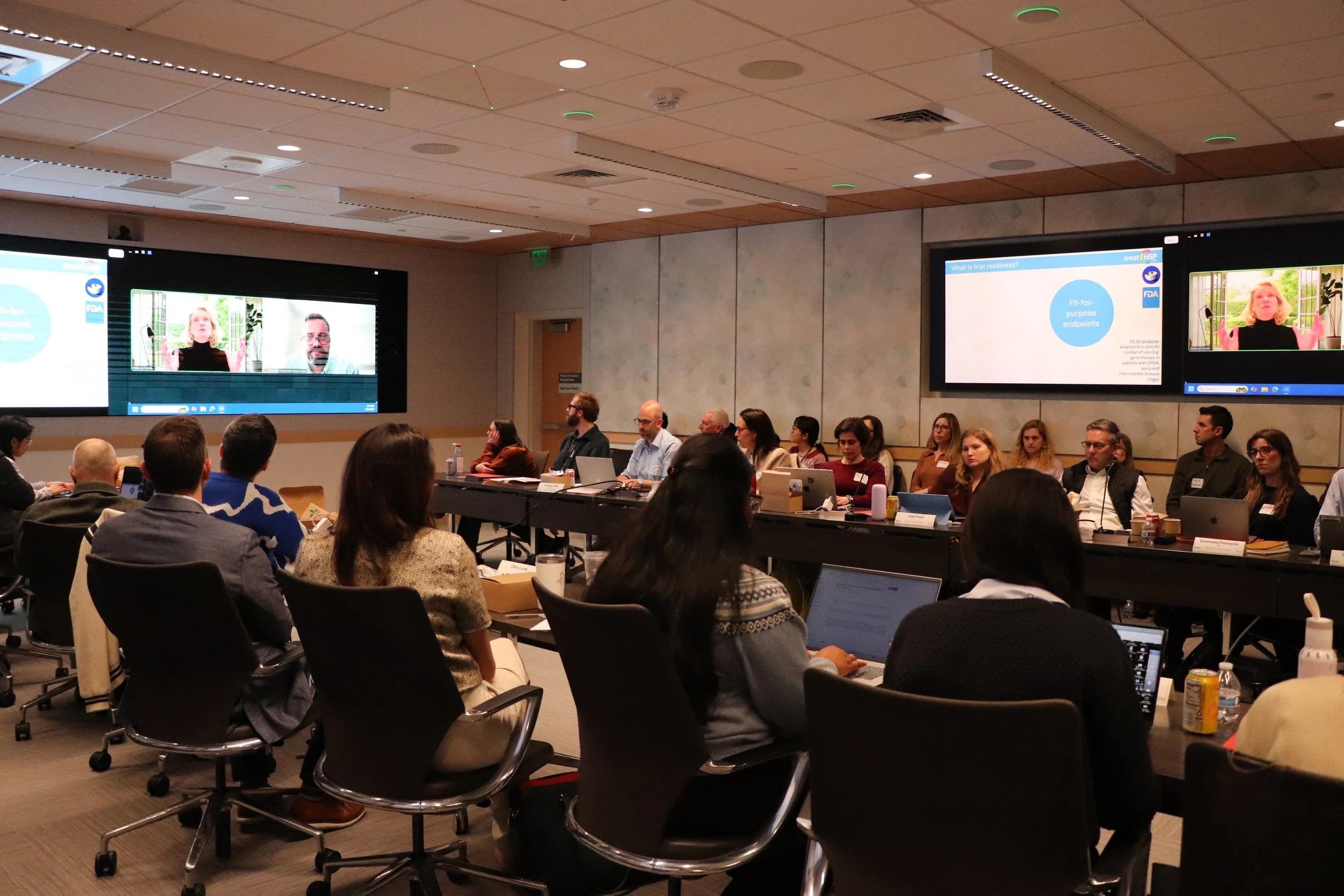
International Collaborative Initiatives Toward Trial Readiness
Rebecca Schüle, MD — Heidelberg University Hospital and TreatHSP*
Marcondes França Jr., MD, PhD — State University of Campinas (UNICAMP)*
Seungbok Lee, MD, PhD — Seoul National University* (recording)
3:10–3:30 pm
Questions and Comments
Moderators:
Matthew Elrick, MD, PhD — Kennedy Krieger Institute and Johns Hopkins School of Medicine
Rotem Or Bach, MD — The National Institutes of Health (NIH)
3:30–3:40 pm Coffee Break
Session 4: Identify and Prioritize Near-Term Potential Therapies
This session will assess the therapeutic landscape beyond gene replacement, including small-molecule candidates, intrabodies, and symptomatic interventions. The focus will be on evaluating preclinical strength, feasibility, and translational potential to prioritize which candidates warrant near-term advancement.
3:40–4:00 pm
HDAC Inhibitors and Small-Molecule Modulators
Liang Oscar Qiang, MD, PhD — Drexel University College of Medicine
4:00–4:20 pm
M1-Targeted Antibody Strategy and Biomarker Development
Peter Baas, PhD — Drexel University College of Medicine
4:20–4:40 pm
Questions and Comments
Moderators:
Craig Blackstone, MD — Massachusetts General Hospital and Harvard Medical School
Michael Shy, MD — University of Iowa
4:40–5:00 pm
Wrap up
The day will conclude by reinforcing collaborative mechanisms—leveraging SP-CERN biobanked samples, shared clinical datasets, and cross-institutional partnerships that accelerate translational pipelines. We will outline immediate next steps and circulate follow-up summary notes to ensure continued alignment post-meeting. Families are invited to submit questions to hsp.research@childrens.harvard.edu in advance or raise them during Friday’s Family session. Summary notes will be prepared and shared within two weeks.
Darius Ebrahimi-Fakhari, MD, PhD — Boston Children’s Hospital and Harvard Medical School
Katie Gregg — The Lilly and Blair Foundation
Chris Lorek — The Lilly and Blair Foundation
5:30–8:00 pm
Networking Evening: Yard House
We’ll gather at Yard House for a casual, social evening where families, researchers, and attendees can unwind, build relationships, and continue conversations beyond the symposium sessions.
Yard House (across from Residence Inn Fenway/Back Bay Hotel)
126 Brookline Ave, Boston, MA 02215

Friday, March 27 | Assessment and Family Day

Assessments: 2 Brookline Place, Brookline, MA 02445  ·  Family Day: 700 Brookline Avenue, Terrace Room, Brookline, MA 02446
8:30 am
Breakfast Available (enjoy during recap remarks)
8:40–9:00 am
Scientific Symposium Recap
Darius Ebrahimi-Fakhari, MD, PhD — Boston Children’s Hospital and Harvard Medical School
9:00–10:00 am
Ask the Experts: Open Q&A Panel
A moderated panel where families’ pre-submitted and live questions are answered in clear, accessible language by leading researchers and clinicians. A unique opportunity to hear directly from the experts shaping the future of SPG4 care and therapy.
Miguel Sena-Esteves, PhD — UMass Chan Medical School
Darius Ebrahimi-Fakhari, MD, PhD — Boston Children’s Hospital and Harvard Medical School
Matthew Elrick, MD, PhD — Kennedy Krieger Institute and Johns Hopkins School of Medicine
Peter Baas, PhD — Drexel University College of Medicine
Liang Oscar Qiang, MD, PhD — Drexel University College of Medicine
10:00–10:15 am Coffee Break
10:15–10:45 am
Therapeutic Strategies at Home
Practical guidance for managing spasticity, mobility, and daily function at home. Experts in PT/OT, orthopaedics, PMR, and neurosurgery share best practices for adaptive equipment, therapy approaches, and care coordination.
Elizabeth Hodge, PT, DPT, PCS, CEIS — Boston Children’s Hospital
Julia Shah, MD — Boston Children's Hospital, Spaulding Rehabilitation, and Harvard Medical School
Zainab Zaman, MD — Boston Children’s Hospital
10:45–11:15 am
Family Networking and Resource Sharing
A structured opportunity for families to connect with one another, share practical resources, and strengthen the growing SPG4 community. Building relationships that will carry beyond Boston is just as critical as the science itself.
Bridget Lassig — Parent, Michigan and Childhood-Onset HSP Survey Contact, Collaborator on Childhood-Onset HSP Website
Zona Reid — Parent, Author of 499 Parent Resource Guide and Collaborator on Childhood-Onset HSP Website

11:15 am–12:15 pm
Coping, Resilience, and Support
Strategies for navigating the emotional and psychosocial impact of SPG4 on children, siblings, and parents. A blend of professional expertise and lived experience will offer tools for resilience and support in the face of progression and uncertainty.
Amanda Griffith Atkins, MS, LMFT — Amanda Atkins Counseling Group and Author of How to Handle More Than You Can Handle
12:15–12:30 pm
Wrap Up
Katie Gregg — The Lilly and Blair Foundation
Chris Lorek — The Lilly and Blair Foundation

Assessment Overview

Families affected by childhood-onset SPG4 are invited to schedule an appointment for one of the in-person assessment days.
To reserve the appropriate team members and rooms for your visit, please contact the study team at hsp.research@childrens.harvard.edu with the subject line “Scientific Symposium on SPG4 - Assessment Scheduling”. Below you’ll find additional details on what to expect during your assessment.

  • The assessment is expected to take approximately 1.5 hours, and the optional phlebotomy appointment about 30 minutes, so participants should plan for up to 2 hours during their scheduled time. When possible, phlebotomy will be scheduled immediately following the assessment; however, for later assessment times, phlebotomy may need to occur at a different time due to earlier lab closure.

    The Baseline Assessment provides a detailed picture of your medical history, symptoms, and functional abilities. Each year, a Follow-Up Assessment helps track any changes and updates over the past year.

    These visits are valuable both for families and for research:

    • They help clinicians understand how to diagnose and manage SPG4.

    • They provide researchers with information to develop and test potential treatments.

    • They give families an opportunity to ask questions, hear research updates, and receive expert feedback that can help personalize care.

  • Clinical and Medical History

    • Eligibility screening (baseline only)

    • Demographics

    • Current medications

    • Medical and treatment history

    Standardized Questionnaires and Physical Assessments
    The study team will complete a set of standardized assessments to measure mobility, function, muscle tone, and cognition. These may include:

    • Spastic Paraplegia Rating Scale (SPRS) and modified version (mSPRS)

    • 10-Meter Walk Test & Two-Minute Walk Test (if applicable)

    • Five-Stage Functional Mobility Scale

    • SPATAX Disability Scale

    • Modified Ashworth Scale (mAS)

    • Edinburgh Cognitive and Behavioral ALS Screen

    • Clinical Global Impression (CGI)

    Phlebotomy

    • Optional (although encouraged) blood sample collection to support SPG4 research and biomarker discovery

    • Participation is voluntary and does not affect other assessments

    Patient-Reported Outcome Measures
    Patients and caregivers will also be asked to complete questionnaires online either before, during, or after the study visit. The study team will provide a personalized survey link with only the measures that apply. Questionnaires may include:

    • Caregiver Priorities & Child Health Index of Life with Disabilities (CPCHILD)

    • Friedreich Ataxia Rating Scale – Activities of Daily Living (FARS-ADL)

    • Short Form-36 (SF-36)

    • EuroQol-5D (EQ-5D)

    • Patient/Caregiver Global Impression (P/CGI)

    • TreatHSP-QoL

    • The order of activities may vary slightly between families.

    • Timing is approximate and annual follow-up visits are shorter than the baseline assessment.

    • The Boston team will be seeing many patients in a limited timeframe. Please be respectful of your scheduled slot by keeping additional questions brief and sticking to your allotted appointment time. If more follow-up is needed, the study team is available by email at hsp.research@childrens.harvard.edu.

Hotel Information

A small number of rooms have been reserved at a discounted rate at the Marriott Residence Inn Back Bay/Fenway and the Hilton Garden Inn Brookline. Please use the links below to book your room at the group rate.

Residence Inn by Marriott Boston Back Bay/Fenway
125 Brookline Ave, Boston MA 02215
Book your room here >>
Rate: $269 + taxes and fees
Room type: Queen bed with sofa bed
Available the nights of Tuesday, March 24 through Friday, March 27
Booking Deadline: Monday, February 23 (or until sold out). After this date, reservations are subject to availability and the hotel’s prevailing rates.

Hilton Garden Inn Brookline
700 Brookline Ave, Boston MA 02446
Book your room here >>
Rate: $239 + taxes and fees
Room type: Two queen beds
Available the nights of Tuesday, March 24 through Thursday, March 26
Booking Deadline: Thursday, February 26 (or until sold out). After this date, reservations are subject to availability and the hotel’s prevailing rates.

Please note: Both room blocks are limited and expected to sell out prior to the booking deadlines. Additional rooms may only be released at the discretion of the hotel and are not guaranteed at the group rate. We strongly recommend reserving your room early to secure the best rate and your preferred hotel.

Which hotel should I choose?
Dates:
If you plan to stay through Friday night, please book the Residence Inn by Marriott, as the Hilton block does not include Friday night. If you are departing by Thursday night, either hotel is a good option depending on your room preference and location.
Distance to Assessments: The Hilton Garden Inn is 0.1 miles from the assessment location, while the Residence Inn is 1.3 miles away.
Distance to Symposium: Both hotels are approximately 0.7 miles from the Scientific Symposium venue.
Accessibility: Boston offers a reliable Uber WAV (wheelchair accessible vehicle) program. We recommend making Uber or taxi reservations in advance when possible to ensure availability.

Thank You to Our Corporate Partners